



Understanding E-Waste
E-waste, or electronic waste, refers to discarded electronic devices and equipment such as smartphones, computers, televisions, and household appliances. As technology rapidly advances, the lifespan of electronic devices becomes shorter, leading to an increasing volume of e-waste. Proper management and disposal of e-waste are crucial to mitigating its environmental impact.
The Growing Problem of E-Waste
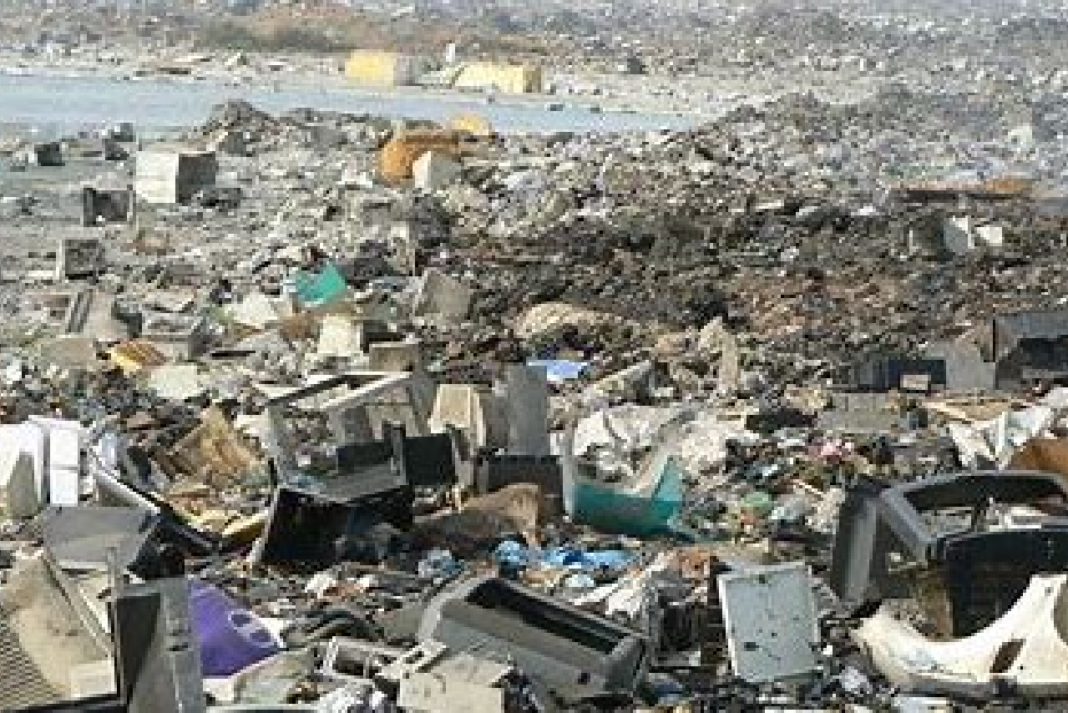
The volume of e-waste is growing at an alarming rate globally. According to the Global E-Waste Monitor, over 50 million metric tons of e-waste are generated annually, with a significant portion ending up in landfills. This growth is driven by the high demand for new technology, frequent upgrades, and the limited lifespan of electronic devices. The improper disposal of e-waste poses significant environmental and health risks.
Environmental Hazards of E-Waste
E-waste contains hazardous materials such as lead, mercury, cadmium, and brominated flame retardants. When improperly disposed of, these toxic substances can leach into the soil and groundwater, contaminating the environment and posing severe health risks to humans and wildlife. The burning of e-waste releases harmful chemicals into the air, contributing to air pollution and respiratory problems.
Impact on Soil and Water
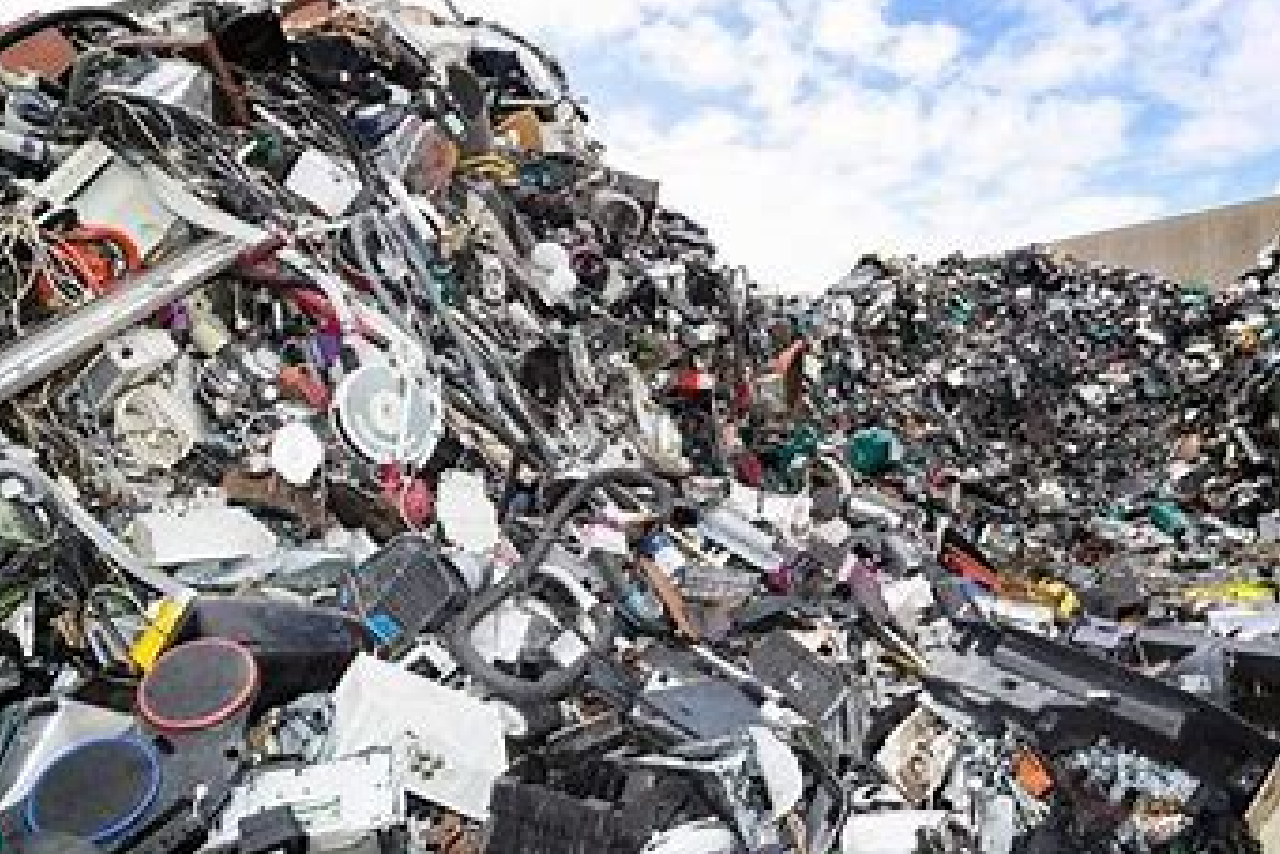
The disposal of e-waste in landfills leads to the contamination of soil and water sources. Toxic chemicals from e-waste can seep into the ground, affecting soil fertility and agricultural productivity. Contaminated water sources pose significant health risks to communities relying on them for drinking water and irrigation. The accumulation of heavy metals in the soil and water disrupts ecosystems and affects plant and animal life.
Air Pollution
The incineration of e-waste is a common disposal method in many regions, but it releases harmful pollutants into the atmosphere. Burning e-waste releases toxic fumes, including dioxins and furans, which are harmful to human health and the environment. These pollutants contribute to air pollution and can cause respiratory issues, cardiovascular diseases, and other health problems.
Resource Depletion
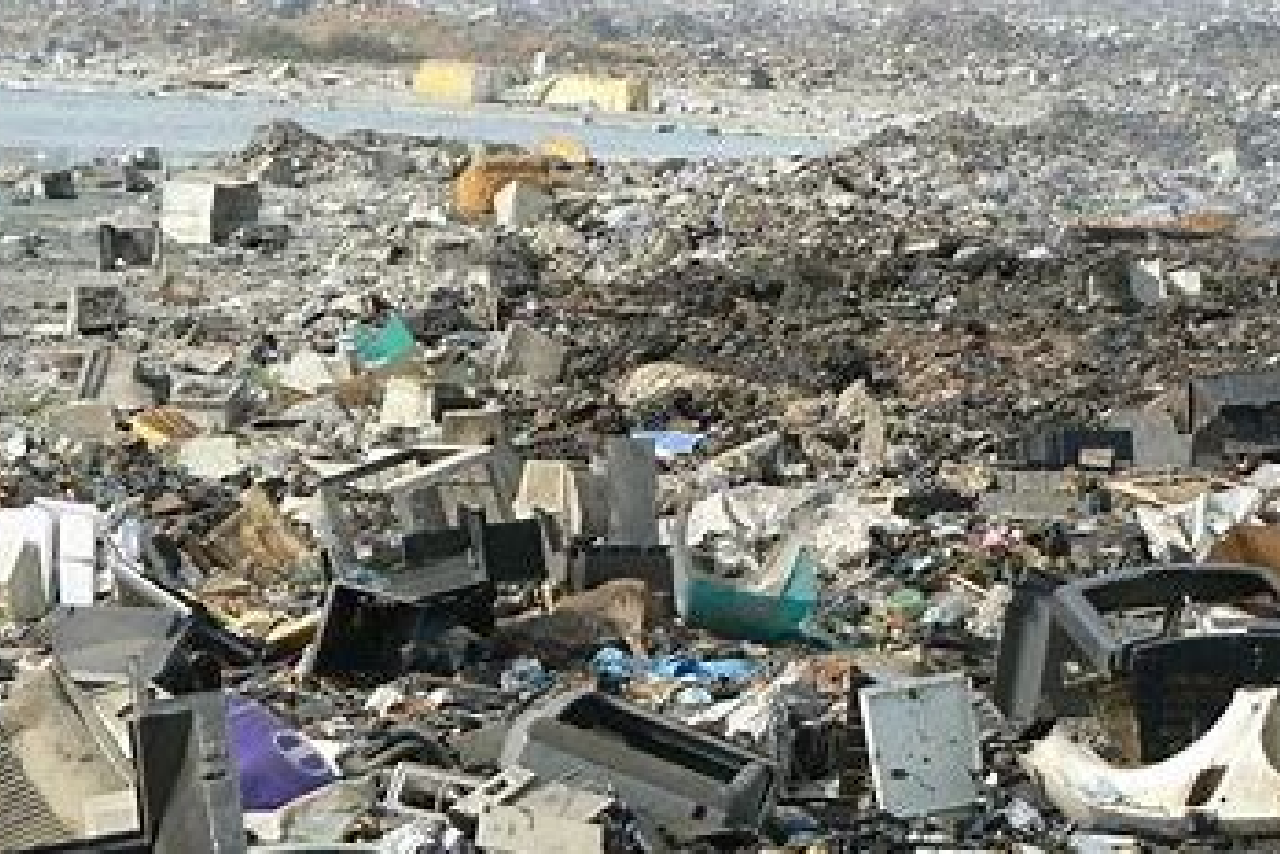
E-waste contains valuable materials such as gold, silver, copper, and rare earth elements. However, only a small percentage of e-waste is recycled properly to recover these materials. The rest is often discarded, leading to resource depletion. Mining new materials to replace those lost in e-waste contributes to environmental degradation, deforestation, and the destruction of natural habitats.
The Importance of Recycling
Recycling e-waste is essential in mitigating its environmental impact. Proper recycling methods can recover valuable materials, reduce the need for new resource extraction, and minimize the environmental footprint of electronic devices. Recycling also prevents hazardous substances from entering the environment and reduces the volume of e-waste in landfills.
E-Waste Management Practices
Effective e-waste management involves several key practices:
- Reduce: Minimize the generation of e-waste by extending the lifespan of electronic devices, opting for repairs instead of replacements, and reducing unnecessary upgrades.
- Reuse: Donate or sell functional electronic devices to extend their useful life and reduce the demand for new products.
- Recycle: Utilize certified e-waste recycling facilities to ensure proper handling and disposal of electronic waste. Look for e-waste recycling programs and drop-off points in your community.
- Legislation and Policy: Support and advocate for policies that promote responsible e-waste management, including regulations on the production, disposal, and recycling of electronic devices.
Global Efforts to Address E-Waste
Many countries and organizations are taking steps to address the e-waste problem. International initiatives such as the Basel Convention aim to control the transboundary movement of hazardous waste and promote environmentally sound management of e-waste. Additionally, extended producer responsibility (EPR) programs hold manufacturers accountable for the entire lifecycle of their products, including disposal and recycling.
Conclusion: Taking Action to Mitigate E-Waste
The environmental impact of e-waste is a pressing global issue that requires collective action. By understanding the hazards of e-waste and adopting responsible management practices, we can significantly reduce its environmental footprint. Recycling, reusing, and reducing electronic waste, along with supporting policies and initiatives, are crucial steps in mitigating the negative effects of e-waste. Together, we can work towards a more sustainable and environmentally friendly future, ensuring that the benefits of technology do not come at the expense of our planet.